This is demo page how video content is behind paywall. For test please use:
hey hope
Random full name
Credit card: 4242 4242 4242 4242, cvc(242), expiry(04/24).
Phone (00000010), pincode (5544)
Interact with the paywall and see how it really works.
This is demo page how video content is behind paywall. For test please use:
hey hope
Random full name
Credit card: 4242 4242 4242 4242, cvc(242), expiry(04/24).
Phone (00000010), pincode (5544)
No business is grown just to gain popularity. You need to define the monetization model for your media resource, as every business has to create revenue. Test how the pay wall works by using this access info. Full name: (424), Credit card: (4242 4242 4242 4242), cvc(242), expiry(04/24). Phone (00000010), pincode (5544).
Competition for people’s attention is enormous in the media business. Imagine you have a successful newsroom, thousands of people read it on the daily basis, your content becomes viral and readers share it with their friends. However, no business is grown just to gain popularity. You need to define the monetization model for your digital media resource, as every business has to create revenue. The question is: “How to turn content into profit?”
No matter your approach to monetizing your blog, newspaper or digital media portal, it’s necessary to keep these two points in mind:
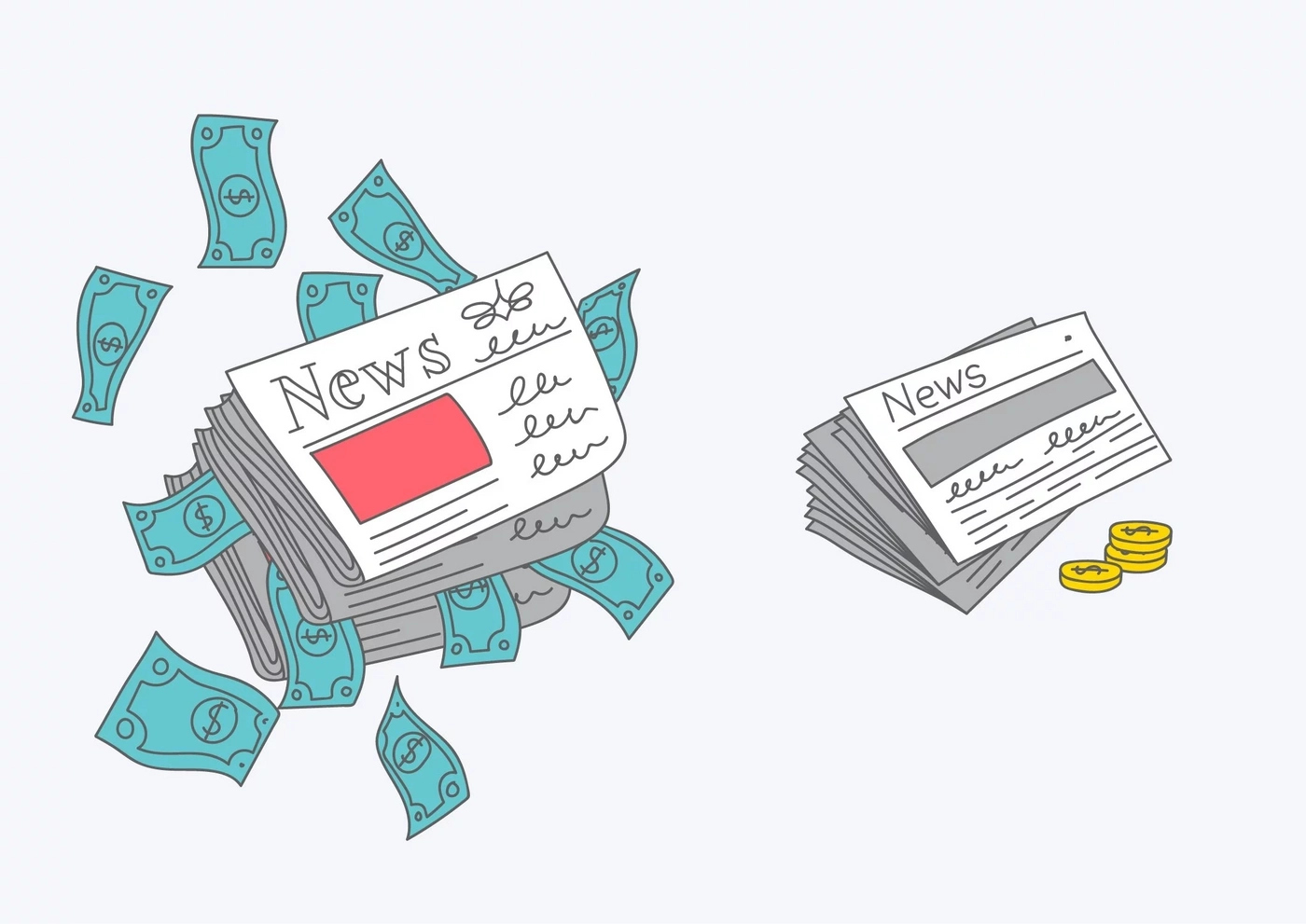
Printed newspapers and magazines used to be a product. In the modern economy, digital content is the product itself. Engaged users and loyal clients highly value content relevant to their interests, they are ready to pay money for access to it. Still, making unique texts alone does not result in millions of dollars.
Creating unique content means said content will be your actual product, and the point is to target the right audience.
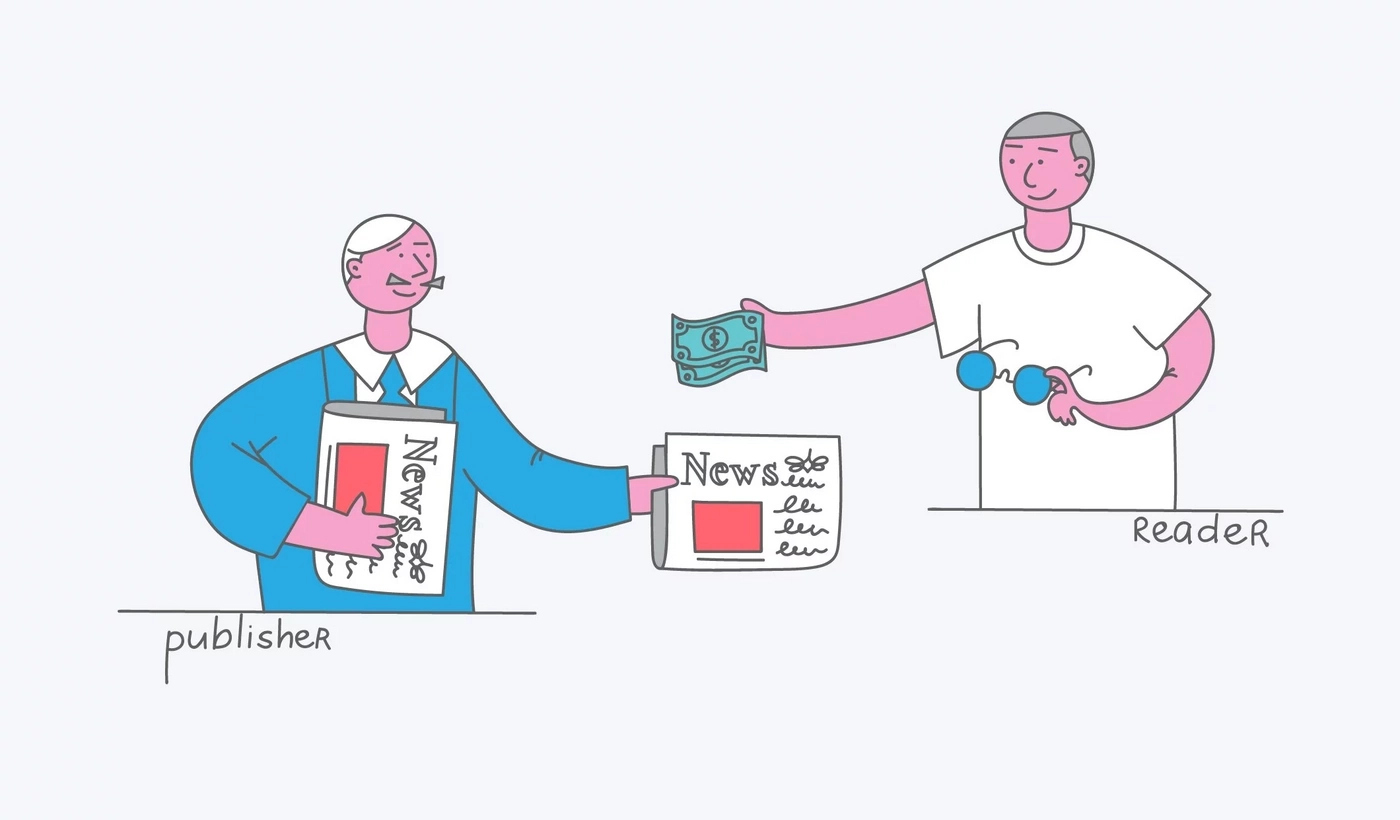
Can publishers earn via paywalls, like The New York Times or the Financial Times? Their practice shows that it can be effective, and The American Press Institute states that 77% of nearly 100 U.S. successful newspapers use the paywall model.
Continuing the topic of paywalls and subscriptions, we should mention the research of The American Press Institute. Their research found that 53% of Americans pay for news (digital or printed) and read articles on topics they individually prefer.
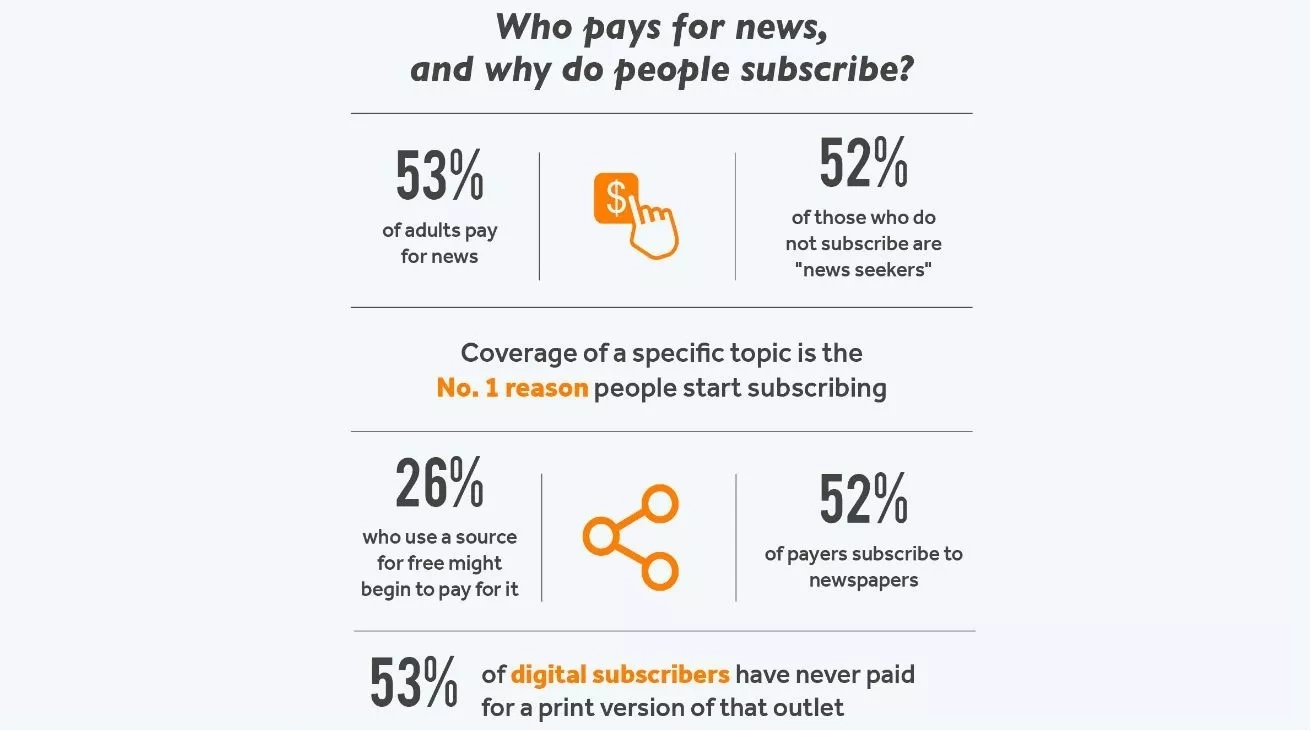
According to the Institute, subscribers have various motivations. Access to local news is the main motivation, but not the only one.

Use this data while exploring your target audience, their needs and preferences, and remember the main points:
Paywalls and subscriptions have benefits both for publishers and subscribers. For publishers, it means that they can generate income from their customer base without using ads. You have loyal visitors who pay you money. What’s more, annual subscriptions can bring more revenue than monthly advertising campaigns.
The main concern with this monetization model is that you lose the benefits of the advertising channel and have to think about how to attract visitors and turn them into customers. Companies usually choose freemium and metered paywalls to achieve this goal, while more established ones are free to use hard paywalls.
Publishers should look for point and click managed paywall and digital subscription solutions that are easy to set up and include reporting, single article micro-transactions, email subscriptions, and more.
Zlick Paywall is one of the options and you can get started for free.
If you write or manage a blog, then you know that the material on it can take a lot of time and effort to produce—especially if it’s premium content. And if you put enough time and effort into a site, it’s a good idea to monetize it in some way. One great way to do so is by setting up a paywall. Test the paywall with this information: Full name: (424), card number (4242 4242 4242 4242), cvc(242), expiry(04/24), phone (00000010), pincode (5544) …
A paywall is a way to restrict access to a site. Users who have paid to subscribe to certain material, as an example, can access that material. But users who have not paid won’t be able to access the content on the site.
With that said, there are different ways to implement a paywall. As an example, you can make it so that a paywall only blocks users that haven’t paid from exclusive content. This allows users to be able to peruse your blog and then pay more if they’re specifically interested in more content. You can also implement a paywall that allows users to read a certain amount of stories before being blocked from more content.
If you already have a popular blog, then a paywall is definitely something you’ll want to look into. If you have people already coming to your site on a regular basis, then it’s likely that they’ll pay to see your content.
As an example, Andrew Sullivan put up a paywall on his political blog, The Daily Dish. He already had a large following, and decided that instead of ads he would do a metered paywall and an annual subscription fee. The blog brought in $93,000 in subscriptions due to the metered model.
Needless to say, paywalls can help monetize your blog without the use of cumbersome ads. And giving readers the option to pay more to get more exclusive content is a good way to keep your more-casual readers. There are pros and cons to each, so make sure that you weigh all of them before setting up your paywall.
If you want to set up a paywall for your blog, then consider setting one up through a service like Zlick, It helps you easily set up a paywall or restrict access to premium, members-only content with its software.